
One step at a time
On finding hope for the natural world amid the hot days and heatwaves

I was on holiday in France when the Met Office issued the red alert for extreme heat in the UK a few weeks ago. We were staying in Lyon at the time, a city more used to high temperatures than London. Many bars and restaurants have air conditioning and there was a huge overhead ceiling fan in the studio apartment we were staying in.
The main sign that this was something more than normal summer weather was that we didn’t have to pay to visit the Musée des Beaux-Artes (the Museum of Fine Arts) as they were offering free entry during the heatwave so that people could take advantage of its shady courtyard garden and air-conditioned galleries. One of the things that I remember most vividly was seeing dozens of people sitting in a lecture theatre in front of an empty stage. A few were reading, writing or scrolling on their phones, but many were dozing. These were people who had no interest in the artwork and had come to the gallery simply to escape the heat, a temporary respite as the sun was still blazing fiercely when the museum shut.
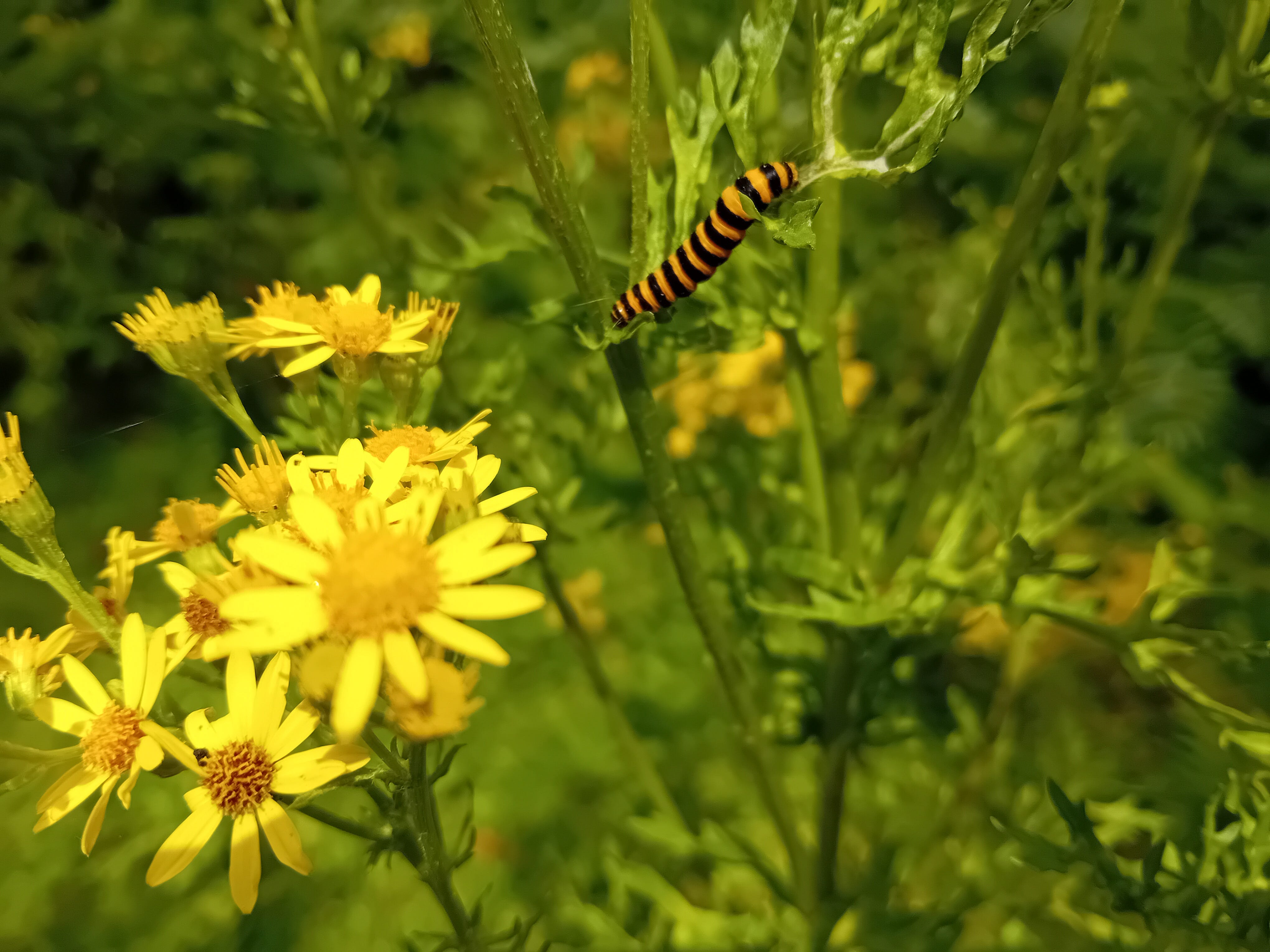
The TCV Croydon workdays were cancelled that week in response to the red warning. Although it has never got quite that hot again, even the cooler days are the kind of temperature – mid-20s celsius – that would have counted as a hot summer not so long ago. I was out volunteering a few weeks ago on one of the hotter days when the thermometer headed over 30 again. We were pulling ragwort, as we often are in summer. It’s wonderful spending time in meadows surrounded by wildflowers and butterflies but it does mean being out in the full glare of the sun. After working in short bursts with regular breaks in the shade and finishing early to avoid the worst of the heat we talked, only half-jokingly, of how we will need to start having early morning or evening summer volunteering sessions in future. Another example of how we will need to adapt to accommodate this new reality.
The news over the last week or so has been dominated by the wildfires in Southern France and Spain as hundreds of thousands of people are evacuated and vast swathes of land burn. It must be absolutely terrifying to have to flee a rapidly moving fire and wildfires clearly have a huge human impact in terms of loved ones, homes and livelihoods lost. But it upsets me that most of the reporting makes little or no mention of the wildlife which will have lost lives and homes too. Some species will have the instinct and ability to flee in time, but many will not. There will be no ferries provided to evacuate them, no emergency shelters and nothing but burnt wreckage if they do survive.
A few days ago, the wildlife gardening expert, Katie Bradbury, highlighted the plight of the swifts whose nests in Abernethy Forest were being threatened by the large wildfire in the Cairngorms. Even if those swifts survive but their chosen area of trees is destroyed what kind of future will they have? The Cairngorms fire is just one of many in the UK this summer, including one in the Rhinogydd mountains near Harlech in North Wales, an area that I know and love. That notoriously wet Wales should be burning so fiercely and officially in drought seems hard to believe. And as I’m finishing drafting this piece, a devastating wildfire on Dunwich Heath in Suffolk is causing huge levels of damage to habitats that are home to many rare species.
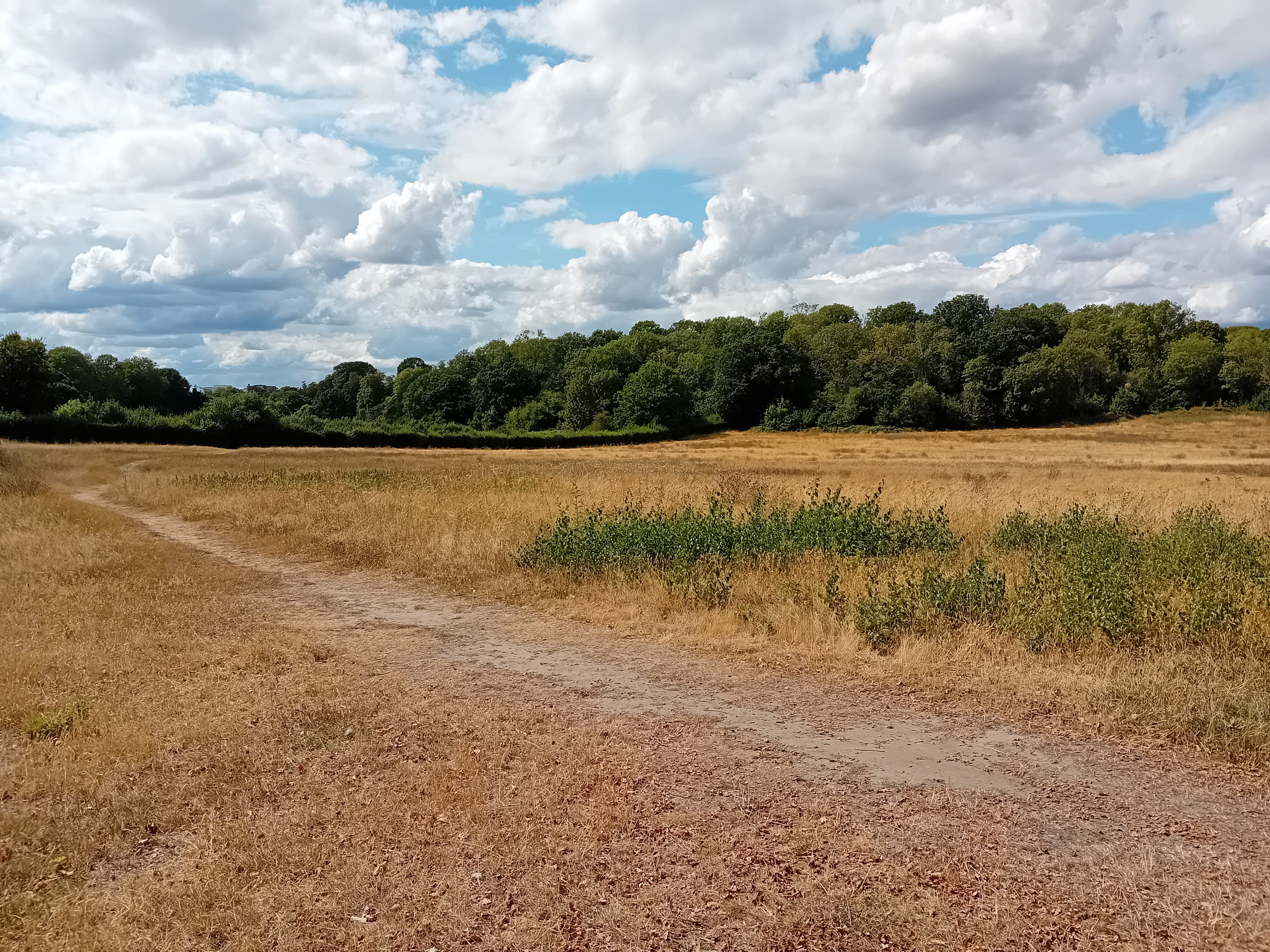
In London, where there have been smaller fires too, the grass everywhere is brown and crisp and trees are shedding their leaves early in an attempt to cope with the drought. It can be easy to give in to despair at times like these. I know I’ve been finding it harder to remain hopeful for the future recently. So I came across this thoughtful Substack post by Melissa Harrison just when I needed it most. It addresses exactly what I’ve been feeling and provides some very helpful and practical guidance on how to deal with the grief for the natural world which many of us are feeling right now. Her advice is to focus on the small, local changes we can make – in our own garden or another local patch of ground – to help improve other species’ chances of survival, Not only that, but also to imagine the impact that this kind of activity will have if replicated up and down the country.
I’d urge you to read the whole piece as it’s beautifully written as well as a much-needed reminder that there are reasons to be hopeful and that small changes can make a difference. It’s prompted me to try and focus on what I can do myself whether that’s in my own garden or through conservation volunteering rather than despairing at politicians’ lack of action.
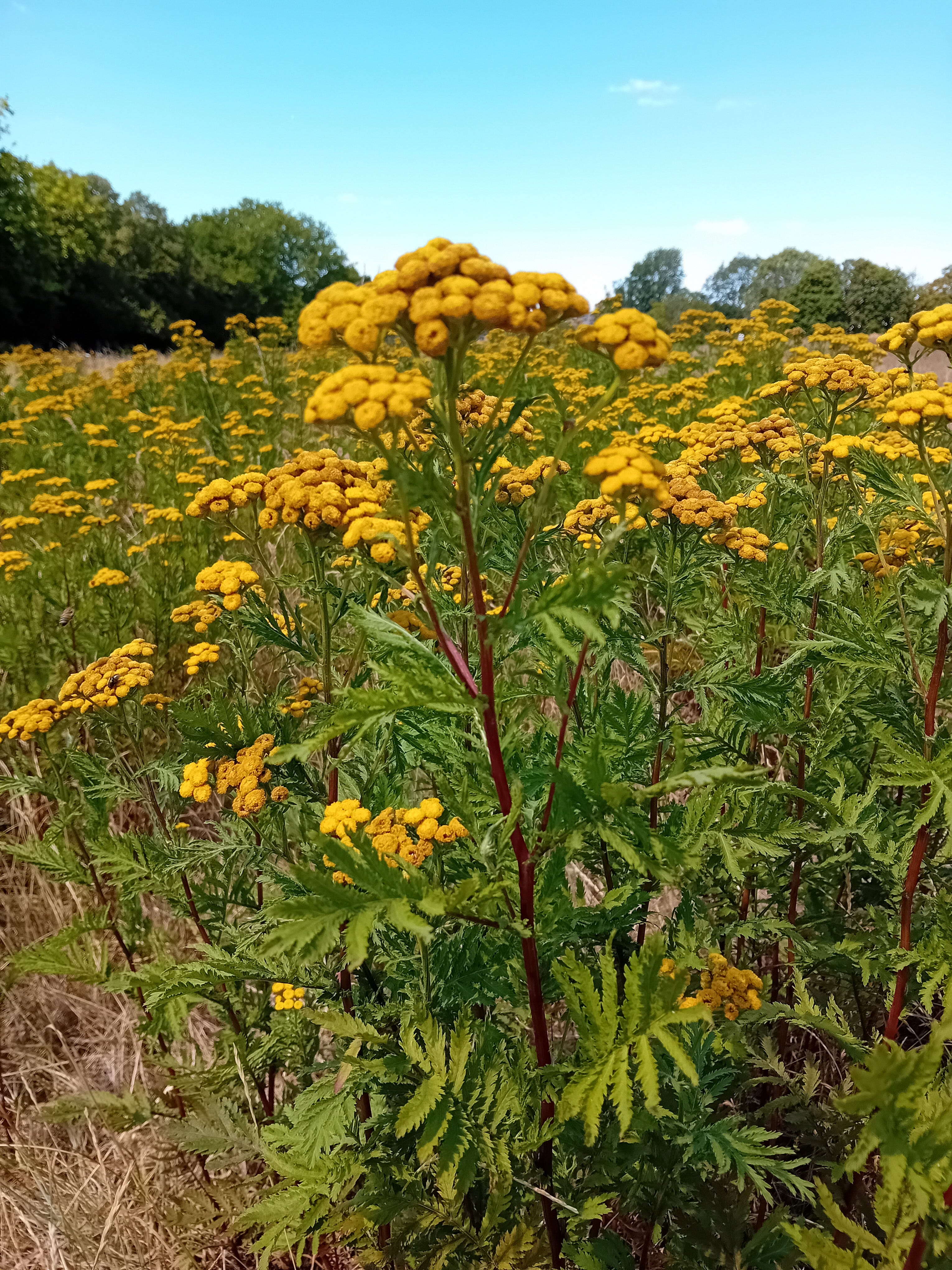
I found further evidence of the impact that small changes can have on a walk in my local park earlier this week. Most of the grass here is parched and brown after weeks without rain but in a part of the park which isn’t mowed over the summer months, I spotted a patch of green and yellow which from a distance looked like ragwort but turned out to be tansy. This is a plant I’m much less familiar with but which is clearly drought tolerant and great for insects. This patch of flowers was flourishing in the middle of the desert-like park and filled with butterflies providing a wildlife oasis and proof that nature will find a way if we give it half a chance.
To finish….
Three things I’d like to share (I’m focusing on reasons to be hopeful this month):
Storks nesting in Surrey: This BBC article reports on the good news that white storks originally introduced as part of the Knepp Rewilding project have built a nest in an industrial estate in Guildford. There are hopes that the birds will raise chicks there in future years.
Benefitting both community cohesion and nature recovery: This heart-warming Guardian article reports on an initiative which provides opportunities for asylum seekers to get involved in conservation volunteering activities such as clearing Himalayan balsam, providing benefits for both wildlife and the people involved.
And finally - a post that I wrote a couple of months ago about the herons that are thriving in Inner London:

Lots of tansy here! And the yarrow seems to be doing well too. Also convolvulus. Thanks for recommending my piece, Ruth – I really appreciate it!